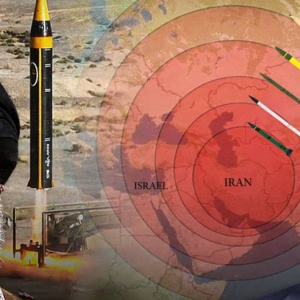
As the conflict between Iran, Israel, and the US continues to escalate, Iranian missiles remain a major concern for the region and the world. As of March 8, 2026, the situation is becoming increasingly dire, with reports suggesting that over 1,300 people have been killed in Iran since Saturday. The Iranian Red Crescent has confirmed this number, and the death toll is expected to rise as the conflict shows no signs of slowing down.
The Latest Developments
The past 24 hours have seen a significant increase in attacks from both sides. Iran has launched repeated salvos of missiles at Israel, while Israel has responded with airstrikes on Iranian targets. The US has also been involved, with President Donald Trump warning that any deal with Iran must result in the country’s “unconditional surrender”. This statement has been met with resistance from Iranian President Masoud Pezeshkian, who has rejected the call for surrender.
The conflict has also spread to other parts of the region, with Iran-backed militias launching attacks on Israel and US targets. The US has responded by pounding targets in Iran, and the Israeli army has hit over 400 targets in the country. The situation is becoming increasingly complex, with multiple countries and factions involved.
The Human Cost
The human cost of the conflict is becoming increasingly clear. Reports suggest that thousands of people have been displaced, and many more are living in fear of attack. The Iranian Red Crescent has confirmed that at least 1,332 people have been killed in Iran, and the number is expected to rise. In addition, six US troops have been killed, and there are reports of rising deaths in Lebanon and Israel.
The conflict is also having a significant impact on the region’s economy. The US has suspended all operations at its embassy in Kuwait City due to escalating regional security threats, and there are concerns about the impact on oil prices. The Strait of Hormuz, a critical shipping lane, may be closed soon, which could have a significant impact on global trade.
The International Response
The international community is becoming increasingly involved in the conflict. The US has warned that any country that supports Iran will face consequences, and there are reports that Ukraine will deploy specialists and resources to help counter Shahed drones in the Middle East. The US has also announced that it is on track to control Iranian airspace, with objectives expected to be completed in four to six weeks.
The European Union has warned against escalation, and there are concerns about the impact on global stability. The situation is becoming increasingly complex, with multiple countries and factions involved. As the conflict continues to escalate, it is becoming clear that a resolution will not be easy to achieve.
What This Means For You
As the conflict continues to escalate, it is becoming clear that the impact will be felt far beyond the region. The potential for disruption to global trade and the economy is significant, and there are concerns about the impact on oil prices. As of March 8, 2026, the situation is becoming increasingly urgent, and it is essential to stay informed about the latest developments.
The conflict is also having a significant impact on global security, and there are concerns about the potential for further escalation. The situation is complex, and it is essential to understand the different factions and countries involved. As the conflict continues to unfold, it is crucial to stay up to date with the latest news and developments.
The world is watching as the conflict between Iran, Israel, and the US continues to escalate. The situation is becoming increasingly dire, and it is essential to stay informed about the latest developments. As the conflict continues to unfold, one thing is clear: the impact will be felt far beyond the region, and it is essential to be prepared for the potential consequences.
FAQ
Q: What is the current situation with Iranian missiles?
A: The situation with Iranian missiles is becoming increasingly dire, with reports suggesting that over 1,300 people have been killed in Iran since Saturday. The conflict is continuing to escalate, with Iran launching repeated salvos of missiles at Israel, and Israel responding with airstrikes on Iranian targets.
Q: How is the international community responding to the conflict?
A: The international community is becoming increasingly involved in the conflict, with the US warning that any country that supports Iran will face consequences. The US has also announced that it is on track to control Iranian airspace, with objectives expected to be completed in four to six weeks.
Q: What is the potential impact on the global economy?
A: The potential impact on the global economy is significant, with concerns about disruption to global trade and the impact on oil prices. The situation is becoming increasingly urgent, and it is essential to stay informed about the latest developments to understand the potential consequences.