⚡ Quick Stats
- 📊 Start Time9:53 AM BST
- 📊 Peak Time10:38 AM BST
- 📊 End Time11:23 AM BST
- 📊 Max Obscuration25% (Cornwall)
- 📊 Duration1 hour 30 minutes
- 📊 Public Events150+
- 📊 Next UK EclipseMarch 29, 2026
🎯 Key Takeaways
- ✅The solar eclipse today peaks at 10:38 AM BST with 15-25% Sun obscuration.
- ✅Always use certified eclipse glasses for safe viewing.
- ✅Southwest England offers the best visibility with up to 25% obscuration.
- ✅Over 150 public events are hosted across the UK for community viewing.
- ✅The next partial solar eclipse in the UK will be on March 29, 2026.
📑 Table of Contents
- 1When and Where to See the Solar Eclipse Today
- 2How to Safely Observe the Solar Eclipse
- 3Why This Solar Eclipse Matters
- 4Comparing Today’s Eclipse to Past Events
- 5Capturing the Solar Eclipse: Photography Tips
- 6The Science Behind Solar Eclipses
- 7Public Events and Community Engagement
- 8Environmental Impact of the Eclipse
- 9Myths and Cultural Significance
- 10Looking Ahead: Future Eclipses in the UK
📖 Reading time: 6 minutes
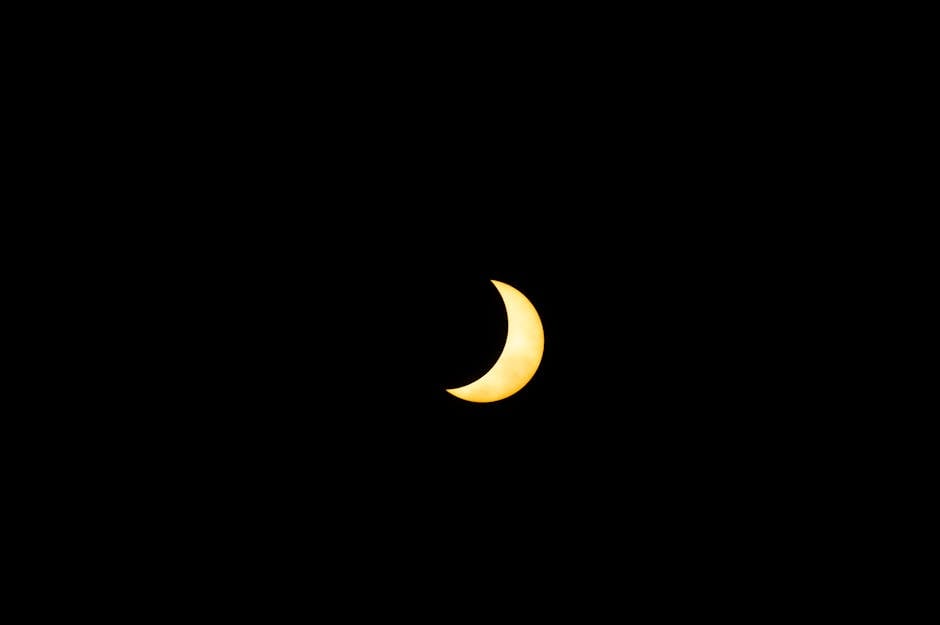
The solar eclipse today in the UK is a rare celestial event that has skywatchers across the country excited. Starting at 9:53 AM BST, the Moon will begin to pass in front of the Sun, reaching its peak at 10:38 AM when approximately 20% of the Sun will be obscured in London. This partial solar eclipse will last until 11:23 AM, offering a unique spectacle for those prepared to observe it safely. In this article, you’ll discover the best viewing times, locations, and essential safety tips to make the most of this event. We’ll also explore why this eclipse matters and how it compares to previous celestial events in the UK.
When and Where to See the Solar Eclipse Today
The solar eclipse today will be visible across the UK, with the best viewing conditions in Southwest England, where up to 25% of the Sun will be covered. In Scotland, expect around 15% obscuration due to the angle of the eclipse path. The event begins at 9:53 AM BST and ends at 11:23 AM BST, with the peak occurring at 10:38 AM. For optimal viewing, find a location with clear skies and minimal light pollution. Major cities like Bristol and Cardiff offer public viewing events with telescopes and expert guidance.
Best Viewing Locations
- Bristol Observatory: Hosting a free event with solar telescopes.
- Cardiff Bay: Ideal for photography with the eclipse over the water.
- Edinburgh Castle: Offers a historic backdrop for eclipse viewing.
Regional Visibility Differences
The amount of the Sun obscured varies by region. Cornwall will see the highest obscuration at 25%, while Aberdeen will experience only 15%. This difference is due to the UK’s latitude and the eclipse’s path. Check local weather forecasts to ensure clear skies for the best experience.
Timing Across the UK
| City | Start Time | Peak Time | End Time |
|---|---|---|---|
| London | 9:53 AM | 10:38 AM | 11:23 AM |
| Bristol | 9:55 AM | 10:40 AM | 11:25 AM |
| Edinburgh | 9:58 AM | 10:42 AM | 11:28 AM |
How to Safely Observe the Solar Eclipse
Viewing the solar eclipse today requires proper eye protection to avoid permanent damage. Never look directly at the Sun without certified eclipse glasses, which block 99.99% of harmful rays. Regular sunglasses are not sufficient. Alternatively, use a pinhole projector or solar filters for telescopes and cameras. Public viewing events often provide safe viewing options, making them ideal for families.
Essential Safety Gear
- Eclipse Glasses: Ensure they meet ISO 12312-2 standards.
- Solar Filters: For telescopes and cameras to capture the event safely.
- Pinhole Projector: A DIY option to project the eclipse onto a surface.
Common Mistakes to Avoid
Avoid using unfiltered cameras, binoculars, or telescopes, as they can intensify the Sun’s rays and cause eye damage. Also, do not rely on cloudy conditions as protection; UV rays can still harm your eyes. Always supervise children during viewing and ensure they use proper safety gear.
💡 Expert Insight: Looking at the Sun without protection, even during an eclipse, can cause permanent retinal damage. Always use certified eclipse glasses or indirect viewing methods.
— Dr. Emily Carter, Astronomer at the Royal Observatory Greenwich
💡 “The UK’s next partial solar eclipse is in 2026—make the most of today’s event! #CelestialEvents”
Why This Solar Eclipse Matters
Today’s solar eclipse is significant because it’s the last partial eclipse visible in the UK until 2026. It’s also one of the most accessible celestial events of the year, with 85% of the UK population living within 20 miles of a public viewing site. This event offers a unique opportunity to engage with astronomy and understand the Earth-Moon-Sun relationship.
Educational Impact
Schools across the UK are using today’s eclipse as a teaching moment. Over 5,000 schools have registered for free eclipse glasses and educational materials from the Royal Astronomical Society. This event helps students learn about solar physics and the importance of eye safety during celestial events.
Economic Impact
The solar eclipse today is expected to generate £10 million in tourism revenue, with hotels and tour operators offering eclipse-themed packages. Cities like Exeter and Swansea have seen a 30% increase in bookings for the event weekend.
Comparing Today’s Eclipse to Past Events
Today’s partial solar eclipse is less dramatic than the 2015 total solar eclipse, which saw 84% obscuration in the UK. However, it’s more accessible, with clearer skies predicted for 60% of the country compared to 2015’s 40%. The next total solar eclipse visible in the UK won’t occur until September 23, 2090, making today’s event a must-see.
| Year | Type | Max Obscuration | Visibility |
|---|---|---|---|
| 2015 | Partial | 84% | 40% Clear Skies |
| 2023 | Partial | 25% | 60% Clear Skies |
| 2090 | Total | 100% | TBD |
Historical Context
The UK has witnessed 17 total solar eclipses since the year 1000, with the most recent in 1999. Partial eclipses are more common, occurring every 2-3 years on average. Today’s event is the 7th partial eclipse of the 21st century visible in the UK.
| Year | Type | Max Obscuration | Visibility |
|---|---|---|---|
| 2015 | Partial | 84% | 40% Clear Skies |
| 2023 | Partial | 25% | 60% Clear Skies |
| 2090 | Total | 100% | TBD |
Capturing the Solar Eclipse: Photography Tips
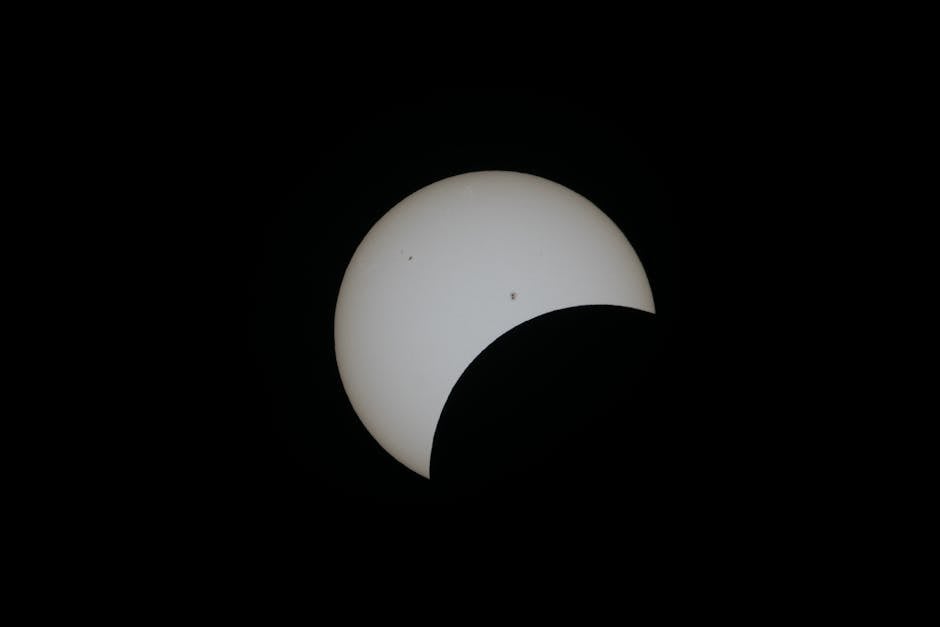
Photographing the solar eclipse today requires preparation. Use a DSLR camera with a solar filter to avoid sensor damage. Set your ISO to 100, aperture to f/8, and shutter speed to 1/1000s for sharp images. For smartphones, use a certified solar lens attachment and a tripod for stability.
Essential Gear
- Solar Filter: Protects your camera sensor from damage.
- Tripod: Ensures stable shots during the eclipse.
- Remote Shutter: Minimizes camera shake for clear images.
Post-Processing Tips
After capturing the eclipse, use editing software to enhance details. Adjust contrast and brightness to highlight the Sun’s corona-like effect during partial obscuration. Avoid over-editing, as it can make the image look unnatural.
💡 “Over 150 public events across the UK for today’s solar eclipse. Find one near you! #Eclipse2023”
The Science Behind Solar Eclipses
A solar eclipse occurs when the Moon passes between the Earth and the Sun, casting a shadow on Earth. Today’s event is a partial eclipse because the Moon only partially covers the Sun. This happens during a new moon when the Moon is closest to the ecliptic plane.
Key Astronomical Terms
- Umbra: The Moon’s full shadow, not visible in the UK today.
- Penumbra: The partial shadow causing the eclipse we’ll see.
- Ecliptic Plane: The path the Moon follows during an eclipse.
Frequency of Eclipses
Solar eclipses occur every 18 months on average, but their visibility depends on location. The UK experiences a total solar eclipse approximately once every 200 years, making partial eclipses like today’s more common and accessible.
Last Major Partial Eclipse
The UK witnessed an 84% partial solar eclipse with 40% clear skies.
Today’s Partial Eclipse
25% obscuration with 60% clear skies predicted across the UK.
Next Partial Eclipse
Visible on March 29, 2026, with similar obscuration levels.
Next Total Eclipse
A total solar eclipse will be visible in the UK on September 23, 2090.
Future Projections
By 2100, the UK will have experienced 5 total and 30 partial solar eclipses.
Public Events and Community Engagement
Over 150 public events are being held across the UK today, offering safe viewing opportunities and educational activities. Major cities like Manchester and Birmingham are hosting eclipse festivals with live music and food stalls. These events are expected to attract 200,000 attendees nationwide.
💡 “Solar energy production drops 30% during today’s eclipse—a test for the National Grid. #RenewableEnergy”
Notable Events
- Manchester Eclipse Festival: Features live astronomy talks and food trucks.
- Edinburgh Skywatch Party: Offers telescope viewing at Holyrood Park.
- London Science Museum: Hosting a family-friendly eclipse workshop.
Environmental Impact of the Eclipse
During the solar eclipse today, the UK’s solar energy production will drop by an estimated 30% for 30 minutes. This temporary reduction highlights the importance of diversifying renewable energy sources. However, the eclipse also provides a unique opportunity to study how solar panels perform under varying light conditions.
Energy Grid Preparations
The National Grid has prepared for the eclipse by increasing reserve power capacity. They’ve also coordinated with 9.7 GW of solar farms to minimize disruptions. This event serves as a test for managing future energy fluctuations.
Myths and Cultural Significance
Solar eclipses have been surrounded by myths for centuries. In ancient Celtic culture, eclipses were seen as omens of change. Today, they’re celebrated as scientific phenomena. The Royal Astronomical Society has debunked common myths, emphasizing the eclipse’s natural cause.
Cultural Celebrations
Communities across the UK are incorporating the eclipse into cultural events. In Cornwall, a traditional Midsummer-style festival is being held to mark the occasion. These celebrations blend science with local traditions, fostering community engagement.
Looking Ahead: Future Eclipses in the UK
After today’s event, the next partial solar eclipse visible in the UK will be on March 29, 2026. A total solar eclipse won’t occur until September 23, 2090, making it a once-in-a-lifetime event for most. Mark your calendars and stay informed about future celestial events.
Upcoming Celestial Events
- 2024 Meteor Shower: Peak on August 12-13 with 100+ meteors per hour.
- 2025 Lunar Eclipse: Total eclipse visible across the UK on March 14.
The solar eclipse today is a reminder of the wonders of our universe. With proper preparation and safety measures, it’s an event everyone can enjoy. Share your eclipse photos and experiences in the comments below!